Are Train the Trainer Courses Worth it?

Date Added: 02/06/2026

In health and social care, good training isn’t just about ticking compliance boxes. It has a direct impact on the standard of care your team delivers every day. Most organisations bring in external trainers or use eLearning to keep staff up to date and both work well. For many care teams, though, the most practical long-term solution is developing that training capability in-house. That’s what train the trainer is built around.


Is Train the Trainer Worth it? - Curve Learning

What Does Train the Trainer Mean?

Train the trainer isn’t something you do once and forget about. A Level 3 train the trainer qualification gives someone the skills and accreditation to deliver training to their own colleagues on an ongoing basis. Once qualified, that person becomes a valuable resource for the organisation: able to induct new starters, run refresher sessions and keep the whole team’s knowledge current, without bringing in an external provider every time.

Courses at Level 3 are important in health and social care specifically. It’s the recognised standard for  being able to deliver training to colleagues in a care setting, so the sessions your  trainer delivers carry professional weight and contribute to your compliance and workforce records.


Is Train the Trainer Cost Effective?

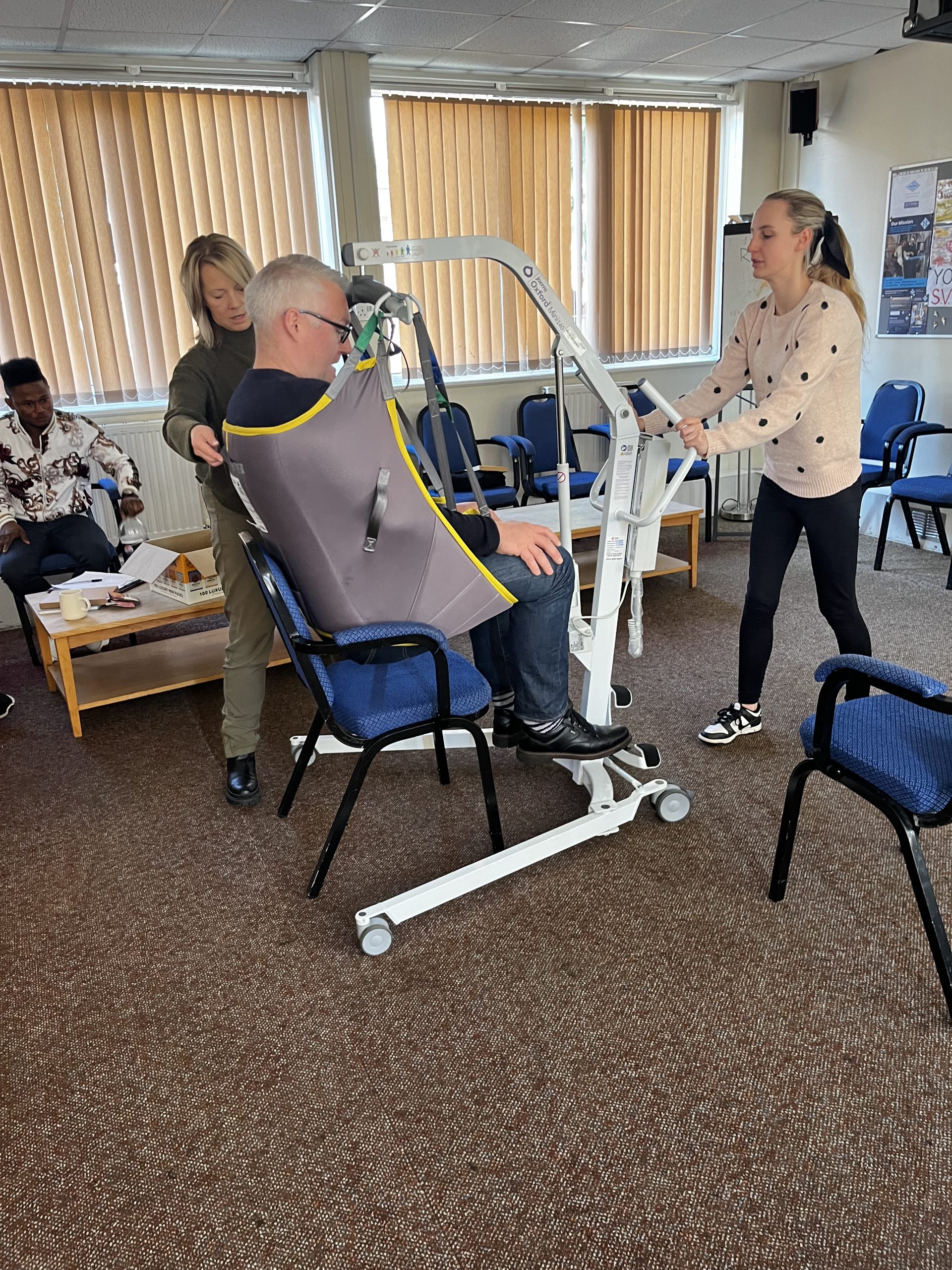
The cost of a train the trainer course is clear from the start. What’s less obvious at first is how quickly that investment pays back. Every mandatory training session that can be run in-house rather than commissioned externally saves money. For subjects like Moving and Handling, Safeguarding, First Aid and Medication Awareness, where staff need regular refreshers and new staff need induction training, those savings build up fast.

For a care organisation with ten, twenty, or fifty staff, train the trainer training starts to look very cost-effective within the first year. A qualified in-house trainer can run sessions as many times as needed, for as many people as needed, with no extra cost per head. The difference between ongoing external training spend and a one-off qualification cost becomes clear pretty quickly.    Using our own pricing model, an internal trainer only needs to deliver two courses in a year for the train the trainer option to be more cost effective.


Train the Trainer - Curve Learning

Why In-House Training Works Better in Health and Social Care

An external trainer knows their subject. An in-house trainer knows their subject and knows your team and that makes a real difference. Someone who works in your care setting every day understands the specific pressures your staff face, the people you support and the situations that come up on the floor that a generic training session won’t always cover. When they deliver train the trainer for health and social care topics, the training lands well because it’s grounded in something familiar.

There’s a trust element too. Staff often engage more openly with a colleague who’s been qualified to train them than with someone they’ve never met. The session feels less like a box-ticking exercise and more like useful, practical learning from someone who gets it.


Train the Trainer and Mandatory Training Compliance

Health and social care organisations are expected to maintain a well-trained workforce. The Care Quality Commission looks for evidence of this during inspections and Skills for Care sets out the training standards that apply across different roles. Keeping on top of that consistently, particularly when staff turnover is high, is one of the harder parts of running a care organisation.

Having a qualified in-house trainer makes it much more manageable. Rather than waiting for an external provider to be available, a train the trainer qualified team member can deliver training when it’s needed, to whoever needs it, on a schedule that works for your organisation. That’s particularly useful for annual mandatory refreshers and for getting new starters trained up quickly.


Train the Trainer Courses for Health and Social Care

Curve Learning’s train the trainer courses are all Level 3 and built specifically for health and social care settings. Each one gives the delegate everything they need to deliver that subject to their team in-house, including full course materials and support. Some of the most popular courses include:

The full range extends across several more subjects, from Dementia Awareness to Equality and Diversity. Also if a specific topic isn’t listed, it’s worth getting in touch as Curve can often accommodate requests outside the standard range.

What the Training Skills Component Covers

Every Curve train the trainer course includes a dedicated training skills day alongside the subject content. This is where delegates learn how to deliver the material well: how to plan a session, how to keep people engaged, how to handle questions and how to check that the learning has stuck. Knowing your subject and knowing how to teach it are two different things and this element of the course bridges that gap.

It’s also worth noting that the training skills day is completed before the subject-specific course days. This means delegates come into the subject training already confident in how to deliver it, so they leave with both the knowledge and the skills to put it into practice straight away.


Training Practical Skills

How Are Train the Trainer Courses Delivered?

Curve Learning offers train the trainer training in whatever format works best for the organisation. Courses run face to face at Curve’s training facility in Wakefield, on-site at your own premises anywhere in the UK and by video for those who need a more flexible arrangement.

The course calendar shows what’s coming up, where and what’s covered. For organisations that prefer a dedicated session for their own team, Curve can arrange that on-site at a time that suits you.


How Train the Trainer Works Alongside eLearning

Train the trainer and eLearning aren’t in competition with each other. They work well together. E-Learning is great for delivering theory, running compliance refreshers and training large numbers of staff across different sites without the logistical complexity of face-to-face sessions. The case for eLearning in health and social care is well established for exactly those reasons.

What eLearning doesn’t replace is the hands-on, practical side of training delivered by someone who knows the environment. A qualified in-house trainer can run those sessions, work through real scenarios with the team and apply what’s been learned to the actual context of your care setting. Combining the two gives most health and social care organisations the most complete and affordable training setup. For a broader view of how eLearning has changed workforce training in care, it’s worth understanding how the two approaches fit together.


Who Should Do a Train the Trainer Course?

Train the trainer courses suit anyone in a health or social care setting who has solid subject knowledge and a role that involves supporting their colleagues’ development. Registered managers, senior carers, team leaders and clinical leads are the obvious fit, but it doesn’t have to stop there. In smaller organisations, an experienced and motivated care team member can be the right person to invest in, especially if they’re settled in the role and have a natural way of helping others learn.

It’s also worth seeing train the trainer for health and social care as a development opportunity rather than just a training tool. The person who completes the Level 3 train the trainer qualification gains a recognised credential, takes on a more senior function within the team and has a clear pathway for professional growth. That tends to be good for retention as well as for the quality of training that follows.

For health and social care organisations where mandatory training never stops, staff change regularly and compliance is non-negotiable, building in-house training capacity is one of the most practical decisions a manager can make. A qualified train the trainer is an asset that keeps on giving, lowering training costs, making compliance easier to manage and raising the standard of knowledge across the whole team over time.

Curve Learning’s train the trainer courses cover the full range of mandatory and specialist health and social care topics, with flexible delivery to suit teams of every size. To find out which courses are the right fit, get in touch with the team today or explore the full course library.

 

Next article